Materials

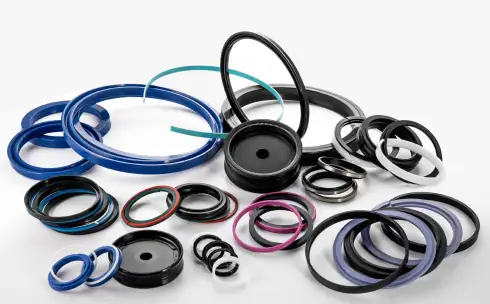
Selecting the right elastomer component determines whether your assemblies withstand their operational environment or fail prematurely. Pneu-Draulics is a certified manufacturer and distributor of high-performance industrial sealing solutions. We stock and custom-machine O-rings, seals, and gaskets across seven primary elastomer families to meet strict application demands. 

With over 40 years of technical expertise, our team supports procurement managers, OEMs, and MRO operations in matching specific elastomer compounds to precise operating profiles.
Our Materials

EPDM

Ethylene Propylene Diene Monomer (EPDM) is resistant to water, steam, and polar fluids that rapidly attack hydrocarbon-based elastomers. This compound significantly outperforms standard rubber formulations in resistance to ozone, weathering, and UV degradation. The standard temperature range typically spans -65°F to 300°F, though specialized peroxide-cured grades can push these limits higher.

However, EPDM exhibits severe swelling and degradation when exposed to petroleum products and hydrocarbon fluids; applications involving oils or fuels require alternative elastomers. Common industrial applications include:

  • Automotive brake systems and cooling circuits
  • Outdoor environmental enclosures requiring UV and weather resistance
  • High-temperature steam processing equipment

FKM

Fluorocarbon elastomer (FKM) withstands aggressive chemicals, high heat, and petroleum products. The operating range extends from -15°F to 400°F, with specialty grades rated for even more extreme temperatures. Chemical resistance covers a vast spectrum of acids, fuels, oils, and industrial solvents.

The Nitrile vs FKM O-rings decision often comes down to chemical exposure severity and ambient temperature. While FKM costs more than Nitrile, it delivers highly superior performance in harsh chemical environments. Engineers frequently specify FKM for:

  • Aerospace and automotive fuel handling systems.
  • Chemical processing and transfer equipment.
  • High-temperature engine components.

FFKM/Perfluoroelastomer

Perfluoroelastomer represents the highest-performing seal material currently available on the market. FFKM perfluoroelastomer seals resist virtually all industrial chemicals, operate continuously at temperatures up to 600°F, and maintain critical sealing force under extreme pressure conditions. While this compound carries a significantly higher initial cost than standard options, it effectively eliminates seal failure in applications where no other elastomer survives.

System designers justify the use of FFKM when unexpected downtime or batch contamination carries severe financial consequences. Ideal applications include:

  • Semiconductor manufacturing equipment.
  • Aggressive chemical processing and refining.
  • Deep-hole drilling and oil exploration tools.

Silicone VMQ

Silicone elastomer (VMQ) maintains structural flexibility across a broad temperature spectrum, ranging from -100°F to 450°F, depending on the formulation. This low-temperature flexibility makes VMQ highly suitable for cryogenic and arctic environments where alternative elastomers stiffen and crack. However, it exhibits poor tensile strength and low resistance to petroleum products, strong acids, and superheated steam.

Typical silicone sealing applications include:

  • Medical devices requiring USP Class VI biocompatibility
  • Food processing equipment requiring FDA-approved seal materials
  • High-temperature static sealing environments

FVMQ

Fluorosilicone effectively combines silicone’s renowned temperature flexibility with greatly improved fuel resistance. The functional temperature range runs from -75°F to 350°F. This specific polymer handles petroleum products much better than standard silicone, though it does not completely match FKM’s broad chemical resistance.

Aerospace elastomer specifications frequently call for FVMQ in applications where operating temperatures drop well below FKM’s lower limit while still encountering hydrocarbon exposure. Low-temperature seal performance makes this compound critical for high-altitude aerospace fuel systems and specialized military vehicles.

Buna-N/Nitrile

Nitrile (NBR) perfectly balances petroleum resistance with overall cost-effectiveness. The standard operating range typically spans -40°F to 250°F. Nitrile formulations reliably resist oils, fuels, and hydraulic fluids while maintaining excellent mechanical properties and strong compression set resistance.

Petroleum-resistant rubber seals in standard applications almost always default to NBR unless extreme temperature or harsh chemical exposure demands a specialized upgrade. Cost-sensitive applications benefit heavily from Nitrile’s exceptional performance-to-price ratio. It remains the industry standard for:

  • General-purpose hydraulic cylinders and pumps.
  • Standard automotive seals and gaskets.
  • Heavy-duty industrial machinery.

PTFE/Teflon

Polytetrafluoroethylene (PTFE) handles extreme temperatures and offers nearly universal chemical inertness. The operating range extends remarkably from -400°F to 500°F. Unmatched chemical resistance and a naturally low coefficient of friction make PTFE highly suitable for dynamic sealing applications.

Installers must note that PTFE requires special hardware considerations. Because the polymer does not compress and rebound like true elastomers, it requires specific groove designs. Spring-energized seals and rigid backup rings often utilize PTFE when environmental demands exceed standard rubber limits.

EPDM

EPDM

Ethylene Propylene Diene Monomer (EPDM) is resistant to water, steam, and polar fluids that rapidly attack hydrocarbon-based elastomers. This compound significantly outperforms standard rubber formulations in resistance to ozone, weathering, and UV degradation. The standard temperature range typically spans -65°F to 300°F, though specialized peroxide-cured grades can push these limits higher.

However, EPDM exhibits severe swelling and degradation when exposed to petroleum products and hydrocarbon fluids; applications involving oils or fuels require alternative elastomers. Common industrial applications include:

  • Automotive brake systems and cooling circuits
  • Outdoor environmental enclosures requiring UV and weather resistance
  • High-temperature steam processing equipment
FKM

FKM

Fluorocarbon elastomer (FKM) withstands aggressive chemicals, high heat, and petroleum products. The operating range extends from -15°F to 400°F, with specialty grades rated for even more extreme temperatures. Chemical resistance covers a vast spectrum of acids, fuels, oils, and industrial solvents.

The Nitrile vs FKM O-rings decision often comes down to chemical exposure severity and ambient temperature. While FKM costs more than Nitrile, it delivers highly superior performance in harsh chemical environments. Engineers frequently specify FKM for:

  • Aerospace and automotive fuel handling systems.
  • Chemical processing and transfer equipment.
  • High-temperature engine components.
FFKM/Perfluoroelastomer

FFKM/Perfluoroelastomer

Perfluoroelastomer represents the highest-performing seal material currently available on the market. FFKM perfluoroelastomer seals resist virtually all industrial chemicals, operate continuously at temperatures up to 600°F, and maintain critical sealing force under extreme pressure conditions. While this compound carries a significantly higher initial cost than standard options, it effectively eliminates seal failure in applications where no other elastomer survives.

System designers justify the use of FFKM when unexpected downtime or batch contamination carries severe financial consequences. Ideal applications include:

  • Semiconductor manufacturing equipment.
  • Aggressive chemical processing and refining.
  • Deep-hole drilling and oil exploration tools.
Silicone VMQ

Silicone VMQ

Silicone elastomer (VMQ) maintains structural flexibility across a broad temperature spectrum, ranging from -100°F to 450°F, depending on the formulation. This low-temperature flexibility makes VMQ highly suitable for cryogenic and arctic environments where alternative elastomers stiffen and crack. However, it exhibits poor tensile strength and low resistance to petroleum products, strong acids, and superheated steam.

Typical silicone sealing applications include:

  • Medical devices requiring USP Class VI biocompatibility
  • Food processing equipment requiring FDA-approved seal materials
  • High-temperature static sealing environments
FVMQ

FVMQ

Fluorosilicone effectively combines silicone’s renowned temperature flexibility with greatly improved fuel resistance. The functional temperature range runs from -75°F to 350°F. This specific polymer handles petroleum products much better than standard silicone, though it does not completely match FKM’s broad chemical resistance.

Aerospace elastomer specifications frequently call for FVMQ in applications where operating temperatures drop well below FKM’s lower limit while still encountering hydrocarbon exposure. Low-temperature seal performance makes this compound critical for high-altitude aerospace fuel systems and specialized military vehicles.

Buna-N/Nitrile

Buna-N/Nitrile

Nitrile (NBR) perfectly balances petroleum resistance with overall cost-effectiveness. The standard operating range typically spans -40°F to 250°F. Nitrile formulations reliably resist oils, fuels, and hydraulic fluids while maintaining excellent mechanical properties and strong compression set resistance.

Petroleum-resistant rubber seals in standard applications almost always default to NBR unless extreme temperature or harsh chemical exposure demands a specialized upgrade. Cost-sensitive applications benefit heavily from Nitrile’s exceptional performance-to-price ratio. It remains the industry standard for:

  • General-purpose hydraulic cylinders and pumps.
  • Standard automotive seals and gaskets.
  • Heavy-duty industrial machinery.
PTFE/Teflon

PTFE/Teflon

Polytetrafluoroethylene (PTFE) handles extreme temperatures and offers nearly universal chemical inertness. The operating range extends remarkably from -400°F to 500°F. Unmatched chemical resistance and a naturally low coefficient of friction make PTFE highly suitable for dynamic sealing applications.

Installers must note that PTFE requires special hardware considerations. Because the polymer does not compress and rebound like true elastomers, it requires specific groove designs. Spring-energized seals and rigid backup rings often utilize PTFE when environmental demands exceed standard rubber limits.

Accessing the Parker Hannifin Material Catalog through Pneu-Draulics

Our strategic partnership with Parker Hannifin Seal Groups provides direct access to their comprehensive catalog and engineering resources. This relationship allows us to source specialized compounds and obtain technical data sheets that support your engineering requirements. When selecting a compound, Parker's extensive material databases provide crucial evaluation criteria:

Comprehensive chemical compatibility charts.

Comprehensive chemical compatibility charts.

Tested temperature ratings for dynamic and static environments.

Tested temperature ratings for dynamic and static environments.

Certified regulatory approvals and industry compliance documents.

Certified regulatory approvals and industry compliance documents.

We also distribute Hallite sealing solutions to expand our material offerings for hydraulic and pneumatic applications. Between these distinct partnerships and our own in-house machining capabilities, Pneu-Draulics maintains robust inventory across both standard and highly specialized elastomer compounds.

Prototyping and Custom-Machined Seal Profiles for Unique Requirements

Custom seal profiles address specific applications where standard O-rings cannot provide adequate performance. Our advanced machining capabilities produce prototypes and high-volume production quantities of non-standard geometries directly from solid elastomer stock. We regularly machine:

  • Custom cross-sections tailored to unique hardware gland dimensions.
  • Integrated backup rings are designed for high-pressure extrusion resistance.
  • Application-specific profiles engineered for specialized dynamic sealing.
Prototyping and Custom-Machined Seal Profiles for Unique Requirements

Prototyping services allow you to thoroughly test seal performance before committing capital to production tooling. Machining sample seals in your specified material supports critical fit checks and performance validation during the design phase. This proactive approach significantly reduces risk when developing new assemblies or upgrading existing systems with improved sealing technology.

Custom Labeling and Packaging for Regulatory Material Compliance

Regulatory documentation follows every order when your applications demand strict material traceability. We provide custom labeling that identifies exact material composition, batch lot numbers, and required certifications. This rigorous documentation supports aerospace AS9100 requirements, FDA-approved seal materials, and other industry-specific compliance standards.

Custom packaging protects fragile seals during shipping and long-term storage while maintaining full regulatory compliance. We format components strictly according to your internal specifications:

  • Individual bagging for critical-service or high-purity applications.
  • Specific quantity-per-package counts to match your production runs.
  • Barcode and part number labeling that integrates with your receiving procedures.

Choose Pneu-Draulics for Industrial Sealing Solutions

Material selection directly impacts your system reliability, long-term maintenance costs, and overall operational safety. Our deep expertise in elastomer chemical compatibility, high-temperature seal materials, and complex aerospace elastomer specifications supports informed engineering decisions.

Whether you need FFKM perfluoroelastomer seals for aggressive chemical service, FDA-approved seal materials for food handling, or standard petroleum-resistant rubber seals for fluid power systems, our extensive inventory and custom machining capabilities deliver the exact solution required.

As an ISO 9001:2015 certified distributor (NAICS: 339991 / CAGE Code: 51221), Pneu-Draulics combines premier Parker Hannifin and Hallite partnerships with unparalleled technical support. Contact us or request a quote today to discuss your industrial sealing material requirements.