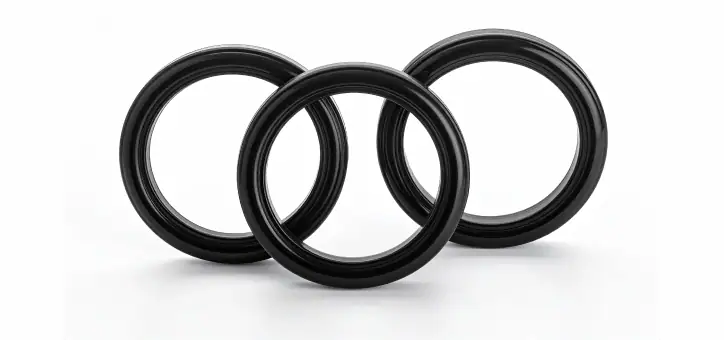
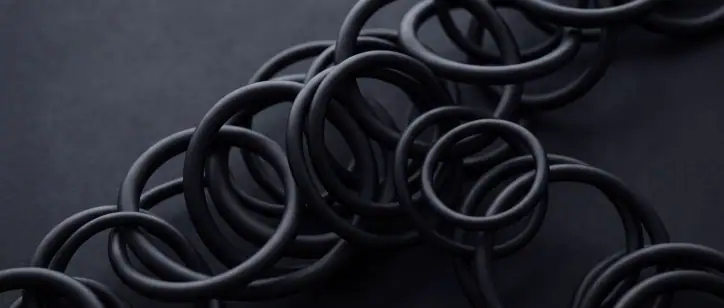
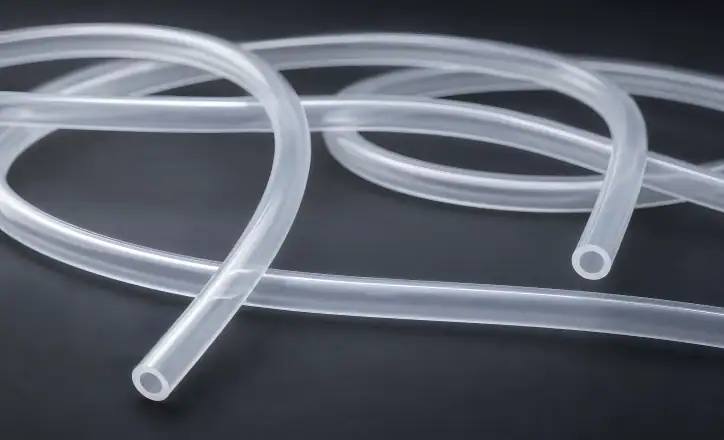
Selecting the right sealing material is essential to long-term performance. Temperature, pressure, media exposure, motion, and regulatory or specification requirements can all influence which elastomer belongs in an application.
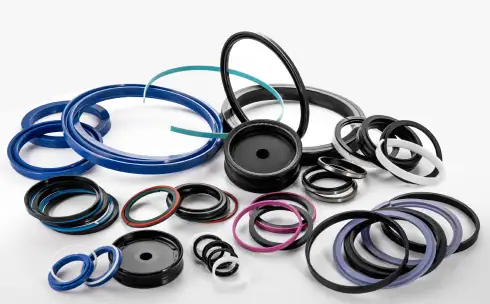
Pneu-Draulics is a certified Parker Products supplier and distributor of industrial sealing products for OEM, MRO, aerospace, defense, hydraulic, pneumatic, and process applications. We stock and source O-rings, seals, gaskets, and custom-machined components across major elastomer families, including EPDM, FKM, FFKM/perfluoroelastomer, silicone VMQ, FVMQ, nitrile, and PTFE.
With over 40 years of technical expertise, our team supports procurement managers, OEMs, and MRO operations in matching specific elastomer compounds to precise operating profiles.
Our Materials
Ethylene Propylene Diene Monomer (EPDM) resists water, steam, ozone, weather exposure, and many polar fluids. Standard formulations commonly operate across a broad temperature window and can work well in applications where outdoor exposure or steam resistance matters.
EPDM is generally not the preferred choice for petroleum oils, fuels, and hydrocarbon fluids. Engineers should consider another elastomer when these media are present.
Common uses include:
Automotive systems: Brake-system and cooling-circuit sealing.
Outdoor equipment: Seals exposed to ozone, weather, and UV.
Steam applications: Processing equipment where hot water or steam contact occurs.
Fluorocarbon elastomer (FKM) withstands aggressive chemicals, high heat, and petroleum products. The operating range extends from -15°F to 400°F, with specialty grades rated for even more extreme temperatures. Chemical resistance covers a vast spectrum of acids, fuels, oils, and industrial solvents.
The Nitrile vs FKM O-rings decision often comes down to chemical exposure severity and ambient temperature. While FKM costs more than Nitrile, it delivers highly superior performance in harsh chemical environments. Engineers frequently specify FKM for:
Aerospace and automotive fuel handling systems.
Chemical processing and transfer equipment.
High-temperature engine components.
Pneu-Draulics supplies Parker FKM products as well as application-specific compounds for programs that require defined material specifications.
FFKM perfluoroelastomer is intended for sealing environments that combine aggressive chemicals with elevated temperatures beyond the practical limits of many conventional elastomers. Depending on the compound, FFKM can suit chemical processing, oil and gas, aerospace, semiconductor, and other demanding applications.
Pneu-Draulics supplies specialized Parker FFKM compounds, including FF504-80 and FF252-75, so engineers can match the material to the actual media, temperature, specification, and operating environment.
Parker FF504-80 is a green, 80 Shore A FFKM compound developed for severe chemical and thermal service. Parker lists a maximum operating temperature of 275 °C (527 °F) and documents compatibility with aggressive media such as bases, amines, steam, ethylene oxide, acids, and other chemicals.
Parker identifies applications in:
Chemical process industries.
Oil and gas exploration and production.
Paint spray systems.
Other industrial environments with aggressive chemical exposure.
FF504-80 is available in O-rings, molded shapes, gasket-o-seals, and rubber-bonded seals.
Parker FF252-75 is a black, 75-durometer perfluorinated elastomer developed for demanding aerospace environments. It is AMS 7257 QPL listed and exceeds the requirements of AMS 7257 for applications involving high temperatures and harsh aerospace engine oils, fuels, and hydraulic fluids.
Key characteristics include:
Recommended temperature range: 5 to 608 °F (-15 to 320 °C).
Low compression set: Designed to retain sealing performance under prolonged heat exposure.
Broad fluid resistance: Suitable for demanding fuel, oil, and hydraulic-fluid environments.
Available geometries: O-rings and customer-molded shapes.
Aerospace qualification: AMS 7257 QPL listed.
Parker testing also documents retention of mechanical properties after high-heat and fluid-immersion exposure.
Because FFKM compounds are engineered for different media and service conditions, engineers should select the specific Parker compound from the application requirements rather than treat all FFKM materials as interchangeable.
Silicone elastomer (VMQ) remains flexible across a broad temperature window, particularly at low temperatures where some other elastomers become stiff.
Its limitations include lower tensile strength and reduced resistance to petroleum products, strong acids, and certain steam conditions. Typical applications include:
Food-processing equipment: Where an appropriate approved compound is specified.
Low-temperature systems: Equipment exposed to cold environments.
Static high-temperature sealing: Applications where flexibility and temperature capability matter.
Material certification should always be confirmed for applications with food, medical, or other regulated requirements.
Fluorosilicone (FVMQ) combines the low-temperature flexibility associated with silicone with better resistance to fuels and petroleum-based media.
This combination makes FVMQ particularly relevant to aerospace and defense systems that encounter hydrocarbon fluids at low operating temperatures. It does not replace FKM or FFKM in every aggressive chemical environment, so selection should follow the actual media and temperature profile.
Common uses include aerospace fuel systems, high-altitude equipment, and specialized military applications.
Nitrile rubber (NBR or Buna-N) is a common elastomer for hydraulic, pneumatic, automotive, and general industrial systems. It combines oil and fuel resistance with useful mechanical properties and economical material cost.
Common applications include:
Hydraulic cylinders and pumps.
Automotive seals and gaskets.
Industrial machinery.
General petroleum-fluid service.
When temperature or chemical exposure exceeds nitrile’s useful operating limits, FKM, FFKM, or another specialized elastomer may be required.
Polytetrafluoroethylene (PTFE) has broad chemical resistance, a low coefficient of friction, and strong temperature capability. These characteristics make it useful for applications where elastomeric materials may experience excessive chemical attack or friction.
PTFE does not behave like a conventional elastomer. It has limited elastic recovery, so seal and groove design must account for its mechanical characteristics.
Common applications include:
Spring-energized sealing systems.
Backup rings.
Chemical-service seals.
Low-friction dynamic components.
EPDM
Ethylene Propylene Diene Monomer (EPDM) resists water, steam, ozone, weather exposure, and many polar fluids. Standard formulations commonly operate across a broad temperature window and can work well in applications where outdoor exposure or steam resistance matters.
EPDM is generally not the preferred choice for petroleum oils, fuels, and hydrocarbon fluids. Engineers should consider another elastomer when these media are present.
Common uses include:
Automotive systems: Brake-system and cooling-circuit sealing.
Outdoor equipment: Seals exposed to ozone, weather, and UV.
Steam applications: Processing equipment where hot water or steam contact occurs.
FKM
Fluorocarbon elastomer (FKM) withstands aggressive chemicals, high heat, and petroleum products. The operating range extends from -15°F to 400°F, with specialty grades rated for even more extreme temperatures. Chemical resistance covers a vast spectrum of acids, fuels, oils, and industrial solvents.
The Nitrile vs FKM O-rings decision often comes down to chemical exposure severity and ambient temperature. While FKM costs more than Nitrile, it delivers highly superior performance in harsh chemical environments. Engineers frequently specify FKM for:
Aerospace and automotive fuel handling systems.
Chemical processing and transfer equipment.
High-temperature engine components.
Pneu-Draulics supplies Parker FKM products as well as application-specific compounds for programs that require defined material specifications.
FFKM/Perfluoroelastomer
FFKM perfluoroelastomer is intended for sealing environments that combine aggressive chemicals with elevated temperatures beyond the practical limits of many conventional elastomers. Depending on the compound, FFKM can suit chemical processing, oil and gas, aerospace, semiconductor, and other demanding applications.
Pneu-Draulics supplies specialized Parker FFKM compounds, including FF504-80 and FF252-75, so engineers can match the material to the actual media, temperature, specification, and operating environment.
Parker FF504-80 is a green, 80 Shore A FFKM compound developed for severe chemical and thermal service. Parker lists a maximum operating temperature of 275 °C (527 °F) and documents compatibility with aggressive media such as bases, amines, steam, ethylene oxide, acids, and other chemicals.
Parker identifies applications in:
Chemical process industries.
Oil and gas exploration and production.
Paint spray systems.
Other industrial environments with aggressive chemical exposure.
FF504-80 is available in O-rings, molded shapes, gasket-o-seals, and rubber-bonded seals.
Parker FF252-75 is a black, 75-durometer perfluorinated elastomer developed for demanding aerospace environments. It is AMS 7257 QPL listed and exceeds the requirements of AMS 7257 for applications involving high temperatures and harsh aerospace engine oils, fuels, and hydraulic fluids.
Key characteristics include:
Recommended temperature range: 5 to 608 °F (-15 to 320 °C).
Low compression set: Designed to retain sealing performance under prolonged heat exposure.
Broad fluid resistance: Suitable for demanding fuel, oil, and hydraulic-fluid environments.
Available geometries: O-rings and customer-molded shapes.
Aerospace qualification: AMS 7257 QPL listed.
Parker testing also documents retention of mechanical properties after high-heat and fluid-immersion exposure.
Because FFKM compounds are engineered for different media and service conditions, engineers should select the specific Parker compound from the application requirements rather than treat all FFKM materials as interchangeable.
Silicone VMQ
Silicone elastomer (VMQ) remains flexible across a broad temperature window, particularly at low temperatures where some other elastomers become stiff.
Its limitations include lower tensile strength and reduced resistance to petroleum products, strong acids, and certain steam conditions. Typical applications include:
Food-processing equipment: Where an appropriate approved compound is specified.
Low-temperature systems: Equipment exposed to cold environments.
Static high-temperature sealing: Applications where flexibility and temperature capability matter.
Material certification should always be confirmed for applications with food, medical, or other regulated requirements.
FVMQ
Fluorosilicone (FVMQ) combines the low-temperature flexibility associated with silicone with better resistance to fuels and petroleum-based media.
This combination makes FVMQ particularly relevant to aerospace and defense systems that encounter hydrocarbon fluids at low operating temperatures. It does not replace FKM or FFKM in every aggressive chemical environment, so selection should follow the actual media and temperature profile.
Common uses include aerospace fuel systems, high-altitude equipment, and specialized military applications.
Buna-N/Nitrile
Nitrile rubber (NBR or Buna-N) is a common elastomer for hydraulic, pneumatic, automotive, and general industrial systems. It combines oil and fuel resistance with useful mechanical properties and economical material cost.
Common applications include:
Hydraulic cylinders and pumps.
Automotive seals and gaskets.
Industrial machinery.
General petroleum-fluid service.
When temperature or chemical exposure exceeds nitrile’s useful operating limits, FKM, FFKM, or another specialized elastomer may be required.
PTFE/Teflon
Polytetrafluoroethylene (PTFE) has broad chemical resistance, a low coefficient of friction, and strong temperature capability. These characteristics make it useful for applications where elastomeric materials may experience excessive chemical attack or friction.
PTFE does not behave like a conventional elastomer. It has limited elastic recovery, so seal and groove design must account for its mechanical characteristics.
Common applications include:
Spring-energized sealing systems.
Backup rings.
Chemical-service seals.
Low-friction dynamic components.
Accessing the Parker Hannifin Material Catalog through Pneu-Draulics
Pneu-Draulics’ relationship with Parker Hannifin gives engineers and procurement teams access to Parker sealing products, compound data, and application information. That includes conventional materials as well as specialized FFKM products such as Parker FF504-80 and Parker FF252-75.
Chemical compatibility: Compatibility with application-specific fluids and process media.
Temperature limits: Published service-temperature information for the individual compound.
Physical properties: Hardness, tensile strength, elongation, and compression-set data
Industry specifications: Applicable qualifications or material specifications, such as AMS 7257 for FF252-75.
Available geometries: O-rings, molded parts, bonded seals, and other configurations depending on compound.
Pneu-Draulics can help compare these requirements against the operating conditions of the sealing application.
Prototyping and Custom-Machined Seal Profiles for Unique Requirements
Standard O-rings are not the right geometry for every application. Pneu-Draulics manufactures custom seal profiles for projects with specialized gland dimensions, equipment geometry, pressure requirements, or installation constraints.
Custom-machined components can include:
Application-specific cross-sections: Profiles built around existing hardware or new designs.
Backup-ring configurations: Components intended to address extrusion under elevated pressure.
Custom dynamic seals: Geometries developed around reciprocating or rotary motion.
Prototype components: Small quantities for fit and functional evaluation before larger production runs.
Pneu-Draulics can machine seal diameters up to 23.5 in. and can support extended sizes up to 57 in. when required.
Prototyping also allows engineering teams to evaluate material selection before committing to production tooling or a larger procurement program.
Custom Labeling and Packaging for Material Traceability
Sealing programs can require more than the correct compound and geometry. Aerospace, defense, industrial, and OEM customers may also need lot control, material identification, certifications, and packaging that matches their internal receiving or production processes.
Pneu-Draulics supports custom packaging configurations such as:
Individual packaging: Useful for controlled or specification-driven applications.
Defined package quantities: Parts organized around production or maintenance requirements.
Barcodes and part numbers: Labels aligned with customer inventory systems.
Material and lot identification: Documentation appropriate to the requested order requirements.
Customer-specific labeling: Packaging configured to internal part-number or identification standards.
These services can simplify receiving, inventory management, and material traceability across ongoing sealing programs.
Choose Pneu-Draulics for Industrial Sealing Materials
Material selection directly affects seal life, maintenance requirements, and equipment performance. Pneu-Draulics helps customers evaluate standard elastomers such as nitrile, EPDM, silicone, and FKM alongside advanced materials such as FFKM perfluoroelastomer and PTFE.
As a certified Parker Products supplier, Pneu-Draulics can also source specific Parker FFKM compounds for demanding applications. FF504-80 addresses severe chemical and thermal environments, including oil and gas and chemical processing, while FF252-75 supports AMS 7257 aerospace applications that require high-temperature stability and resistance to challenging fluids.
As an ISO 9001:2015 certified distributor (NAICS: 339991 / CAGE Code: 51221), Pneu-Draulics combines premier Parker Hannifin and Hallite partnerships with unparalleled technical support.